
English| EUR
Suggested for you
More currencies
Choose a language
Search listings promise a sailing from Porto to Lisbon, yet the two cities belong to different rivers. This douro river cruise porto to lisbon guide sets out which stretch of water is actually navigable, where vessels turn around near Barca d'Alva, and how operators bridge the gap to the capital. Geography, not marketing, decides what is possible here.
Quick answer
No continuous river cruise links the two cities: the Douro meets the Atlantic at Porto, while Lisbon sits on the Tagus estuary. Operators therefore pair an inland Douro sailing with an ocean leg or an overland transfer. The river itself costs 0 EUR to reach, and access runs 00:00–23:59 every day; cruise prices vary by operator.
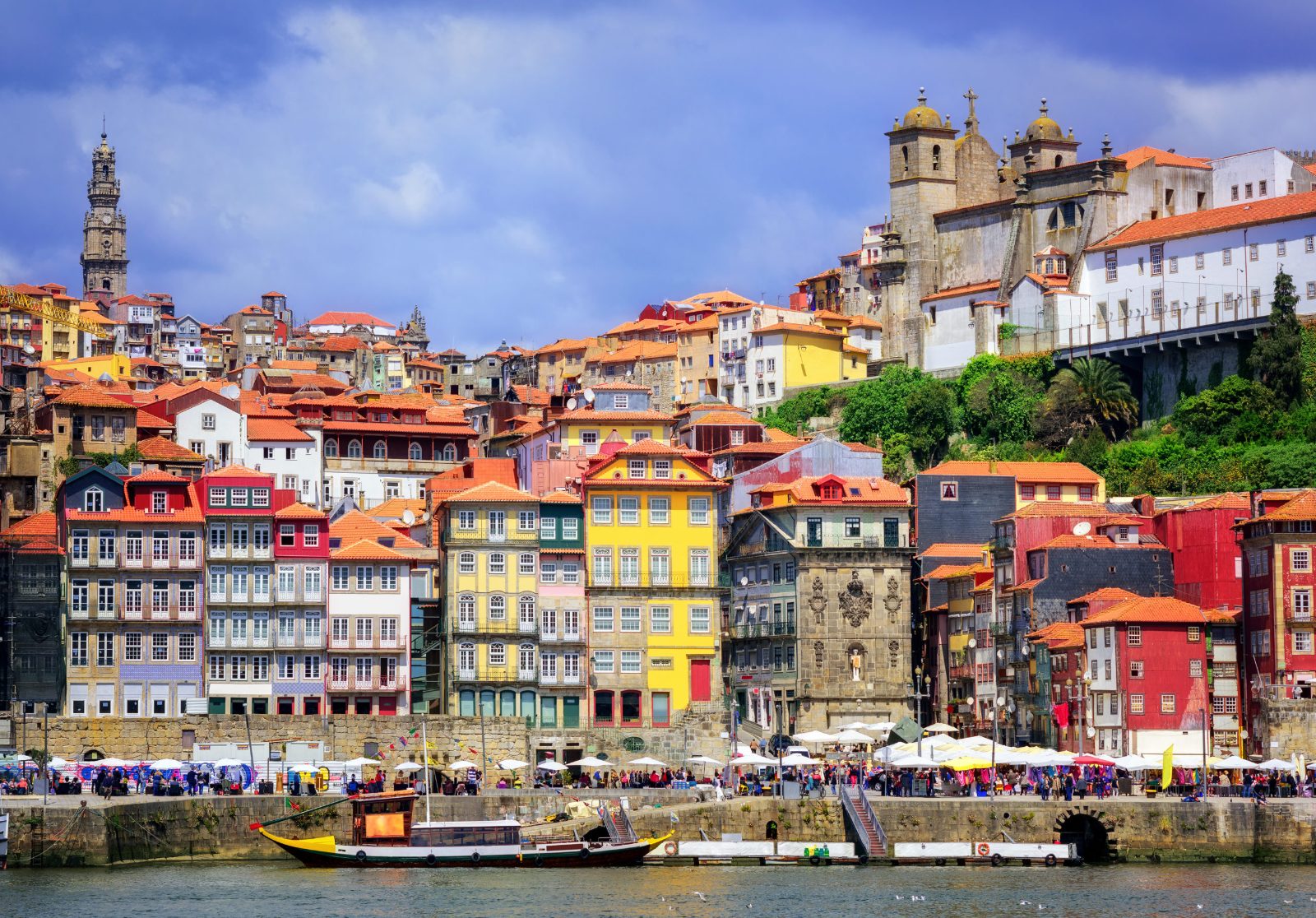
The Douro is not a free-flowing river for most of its Portuguese course. A series of dams and lock chambers turns it into a staircase of navigable pools, and that engineering is the only reason cruise vessels reach the terraced vineyards upstream at all. Readers researching a douro river cruise porto to lisbon are usually trying to reconcile two things that never meet: a river emptying into the Atlantic at Foz do Douro, and a capital standing on the Tagus estuary far to the south. The navigable Douro runs from the bar at Porto inland to Barca d'Alva, close to the Spanish frontier, where the quay at Vega de Terrón marks the usual turning point. Between them lie Crestuma-Lever, the deep chamber at Carrapatelo, the quays at Régua and Pinhão, and the port wine quintas of the UNESCO-listed Alto Douro Wine Region. That corridor is what a cruzeiro no Douro actually covers. Lisbon belongs to a separate basin, which is why no river vessel carries passengers between the two cities without leaving the Douro entirely. So when an itinerary appears under a Porto-to-Lisbon heading, one of two things is happening. Either an ocean-going ship works down the coast, calling at Leixões before entering the Tagus, or a Porto river cruise is joined to a rail or coach transfer, with the capital handled on land. Neither is misleading, but the distinction changes pace, scenery, and what passengers see from the deck. The practical response is to treat the river and the capital as two separate decisions. The Douro asks nothing of anyone standing beside it: the water, the Cais da Ribeira promenade, and the view from the Dom Luís I Bridge are open at any hour, with no admission attached. The scheduled element, the vessel, is where operator detail begins to matter, and booking pages hold the specifics for any douro river cruise porto to lisbon plan. Sailing within the 09:00–17:00 window gives the steadiest water and the clearest light across the terraces. Dates, durations, and fares sit with the operator listing rather than a general orientation page.
“The Douro empties into the Atlantic at Porto and Lisbon stands on the Tagus; no single river carries passengers between them.”
This itinerary combines a multi-day Douro River cruise from Porto with overland travel to Lisbon, suited for travelers seeking both vineyard landscapes and Portugal's capital. The complete journey requires 4–6 days depending on cruise length.
Board your cruise vessel at Gaia or Ribeira docks. Most departures leave late afternoon, allowing time for an orientation briefing and first dinner onboard.
Sail through the vineyard-terraced valley with stops at quintas for tastings and guided walks. Expect 6–8 hours of cruising per day with shore excursions lasting 2–3 hours each.
Leave the vessel at your final river port, typically Régua or Barca d'Alva. Arrange private transfer or coach service to Lisbon (3–4 hours by road), as no navigable waterway connects the two cities.
Arrive in Lisbon with time to visit Belém, Alfama, or the riverfront. Most travelers allocate 1–2 days here before departing.
The Douro River in Porto is accessible for cruise operations daily throughout the week. While the waterway remains open at all times, individual cruise departure schedules are managed by independent operators.
There is no direct river cruise route connecting Porto to Lisbon. Admission costs for the Douro River concern only specific cruises within the Porto region.
Verdict: The Douro River has a 0 EUR entry fee, while actual cruise costs depend entirely on the operator and route selected.
The optimal window for a Douro River cruise is during the shoulder seasons of spring and autumn, specifically May and September, to balance temperate conditions with manageable visitor numbers. These months provide stable water conditions for transit toward the Lisbon region.
Mild, 15°C to 22°C. Vineyards are vibrant and green during this period.
Warm, 25°C to 30°C. Days are long but can experience higher temperatures.
Pleasant, 18°C to 25°C. This window aligns with the grape harvest season.
—
The best arrival window is 09:00–17:00 to ensure optimal natural light for vineyard views.
Verdict: The best time for your cruise is mid-week during the months of May or September, arriving between 09:00 and 17:00.
Everything you need to know about douro river cruise porto to lisbon
There is no direct waterway connection for a douro river cruise porto to lisbon, as the Douro River does not flow to the capital city. Travelers typically enjoy a river excursion in the north before utilizing rail or road transport to reach Lisbon.
To arrange a journey including a douro river cruise porto to lisbon, we recommend booking your river experience in Porto first. Afterward, you can easily transition to Lisbon using the high-speed Alfa Pendular train service.
If you are looking for transit between these cities, land-based options are required since a douro river cruise porto to lisbon is geographically impossible. Trains and buses provide efficient links between the riverfront atmosphere of Porto and the coastal capital.
The best natural light for a boat tour occurs between 09:00 and 17:00, providing ideal visibility for vineyard terraces and historic bridges. These hours also typically offer smoother water conditions for a pleasant experience.
Entrance to the river itself is 0 EUR, but cruise prices vary by operator based on route length and service inclusions. You will find that excursion fees are determined by the specific company chosen rather than a flat public tariff.
Yes, most maritime operators welcome families on their vessels, though facilities vary by boat size. It is advisable to check with your chosen provider to ensure the vessel meets your family's safety and comfort needs.
While the river flows through a vast landscape, most scenic boat tours in the Porto region last between one and several hours. Longer wine-tasting day trips may occupy a full day of your itinerary.